History
Scroll Down to find Curriculum Maps for History
Intent (Why we learn…)
St Saviour’s Catholic Primary and Nursery School recognise how history is all around us; in our families with their unique backgrounds, cultures and traditions and in our local and wider communities. St Saviour’s aims to ignite children’s curiosity about the past in Britain and the wider world; provide a broad curriculum providing knowledge, developing understanding of concepts, making links and instilling a love of history in all our children.
- To be enthusiastic, inquisitive, lifelong learners: we ensure that children are able to make enquiries within history to develop an understanding of concepts, knowledge and skills. We provide children with a good chronological understanding, explore different periods of history and discover key historical figures to promote inquisitiveness and to be inspired making links between the past and the present day.
- To be strong communicators: we encourage children to confidently communicate their understanding about historical concepts, time periods they have learnt about and historical figures using historical terminology. We want children to ask and answer questions, showing their understanding of historical events that have made an impact in our world today.
- To be well-rounded, independent and resilient learners with aspirations: we believe that having secure historical knowledge, understanding historical concepts and learning more about the past using a range of skills and sources, will enable children to think critically, ask insightful questions and contextualise historical information. This will help to build independent and resilient learners with aspirations for the future.
- To develop and use their God given talents by being creative: we provide opportunities for children to use their God given talents within history to think creatively, ask questions and motivate change in the world.
- To be responsible citizens who are eager to make a positive contribution to their community and wider society: we aim to create children who are eager to ask and answer historical questions about past; to make a positive impact within the wider society; developing a context for their own growing sense of identity and showing an understanding of how the past has influenced our lives and shaped the world we live in today.
Children are provided with historical texts within classroom reading corners, to promote a love of reading and to deepen their learning of periods of time throughout the past. Children will also explore high quality and engaging texts with a historical focus within reading and writing sessions.
Implementation (How we teach...)
At St Saviour’s, we use the National Curriculum to ensure every teacher teaches the knowledge and understanding appropriate to that key stage within the teaching of history. We believe in high expectations for all children through ‘Quality First’ teaching.
Teachers plan the curriculum for their year group using objectives that come from the National Curriculum. In Y1-Y6, we explore a topic each term. At the teacher’s discretion, they select one half of the term to deliver consecutive history lessons on a weekly basis.
In EYFS, ‘Understand the World’ provides the foundations for learning about the past in relation to children’s own life story and beginning to learn about people and events within history through books, illustrations and storytelling.
In Key Stage 1 and Key Stage 2 we use ‘PlanBee’ to assist with resourcing and lesson ideas. Our curriculum is well mapped out to ensure it is engaging and relevant. We have carefully planned a cohesive approach to learning about British history so that it is organised and taught chronologically to enable children to make links to previous learning, consolidate their knowledge and gain a broad and deep understanding of their given topic. Our use of knowledge organisers for each topic help ensure concepts are embedded into children’s long-term memories.
Through whole school approaches such as ‘Remembrance Day’ and ‘Black History Month’ we promote the profile of historical events and people to educate children on how the past has influenced the present day. Teachers find opportunities to develop children’s understanding through the use of workshops and visits in school, alongside trips out of school. For example, in the autumn term, Y3 visited the museum to learn all about Ancient Egypt.
The use of ongoing assessment for learning and feedback within lessons enables teachers to address misconceptions and ensure progression within every history lesson. This then informs planning for future lessons and identifies where further individual or group support is needed. We use the ‘Sonar’ software package to track pupil progress and attainment in history alongside a summative topic test at the end of each learning sequence.
The history curriculum provides children with memorable experiences, diverse and rich opportunities from which they can learn and develop a range of skills. We aim for the children at St Saviour’s to be curious about the past and ask questions in order to make sense of the world in which we live today.
Impact (As a result…)
Through high-quality teaching, we can see the impact of our history curriculum through pupil’s books; as well as in pupil data, through pupil voice and whole school initiatives, which are evidenced on Tapestry.
Outcomes for all groups of pupils within the school are improving. Everything we do has the child at the centre, and strong relationships are built between pupils and staff alongside memorable, exciting and hands-on experiences to inspire and promote a thirst for learning within history.
Pupils’ progress in history is measured through assessments each term and learning tasks are planned to address misconceptions and gaps in learning.
Pupils not only leave St Saviour’s with a secure understanding of the history curriculum; but also, with an understanding of chronology and how the past has influenced how we live today. They leave being pupils who are inquisitive and reflective; who demonstrate a love of learning and who are critical and analytical thinkers able to make informed and balanced judgements based on their knowledge of the past.
Summer Term 2026
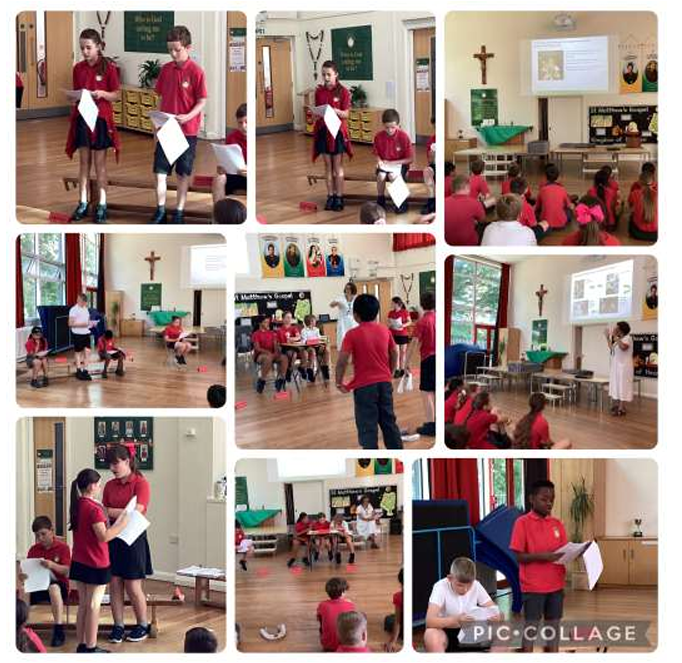
Year 6 have been learning about Crime and Punishment. They have enjoyed learning about crime and punishment in the modern day through a visit from a Magistrate. The children took part in a mock trial, stepping into key roles such as Magistrates, Lawyers and Prosecutors, and learned that young people are responsible for their actions from the age of 10. Social media was a key theme during the trial, offering an important reminder for our Year 6 pupils to stay safe online and always be kind to others.
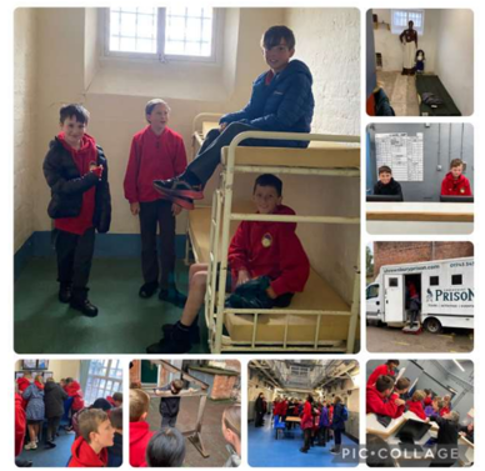
As an immersive opening to their new history topic, Year 6 visited Shrewsbury Prison to dive deeper into ‘Crime and Punishment’ through the ages. The children loved exploring the prison, taking part in a guided tour, and asking questions.
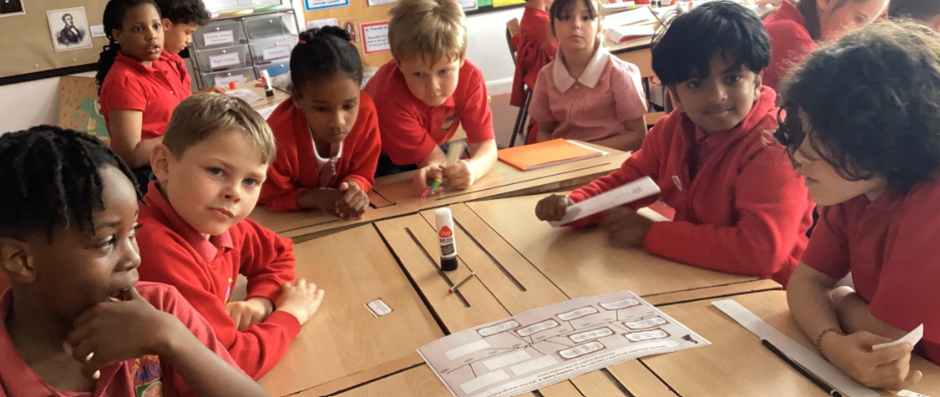
Year 3 enjoyed exploring Mary Seacole as one of their British history heroes, learning how her life unfolded step by step. They looked closely at key events — from her childhood in Jamaica, to her travels as a nurse, and finally her brave work helping soldiers in the Crimean War — and placed these moments in chronological order. By organising her achievements on a timeline, the children began to understand how Mary’s determination and compassion shaped her legacy as a remarkable figure in British history.
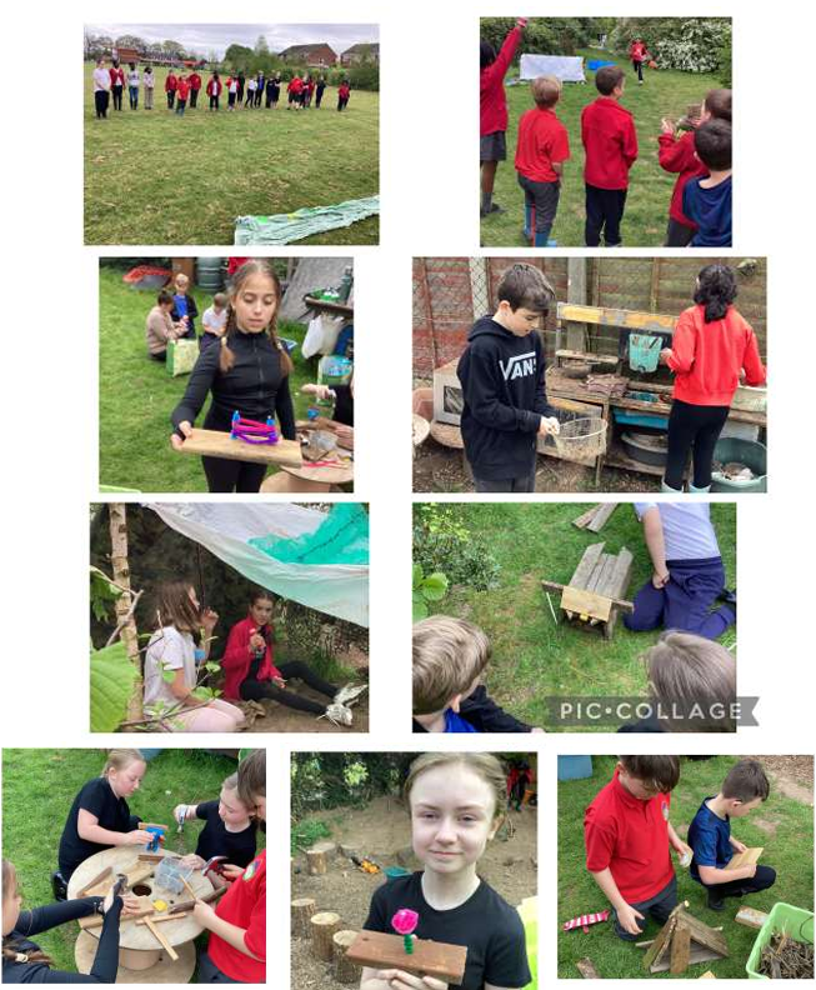
Year 5 had a fantastic Forest School session linked to their history topic on the Norman Conquest. The children loved hunting for true and false statements, showing brilliant teamwork and enthusiasm. They also enjoyed practising outdoor skills before learning about Norman castles and working together to build their own. A wonderful mix of history, creativity and adventure.
On Thursday 23rd April, we celebrated St George's day.
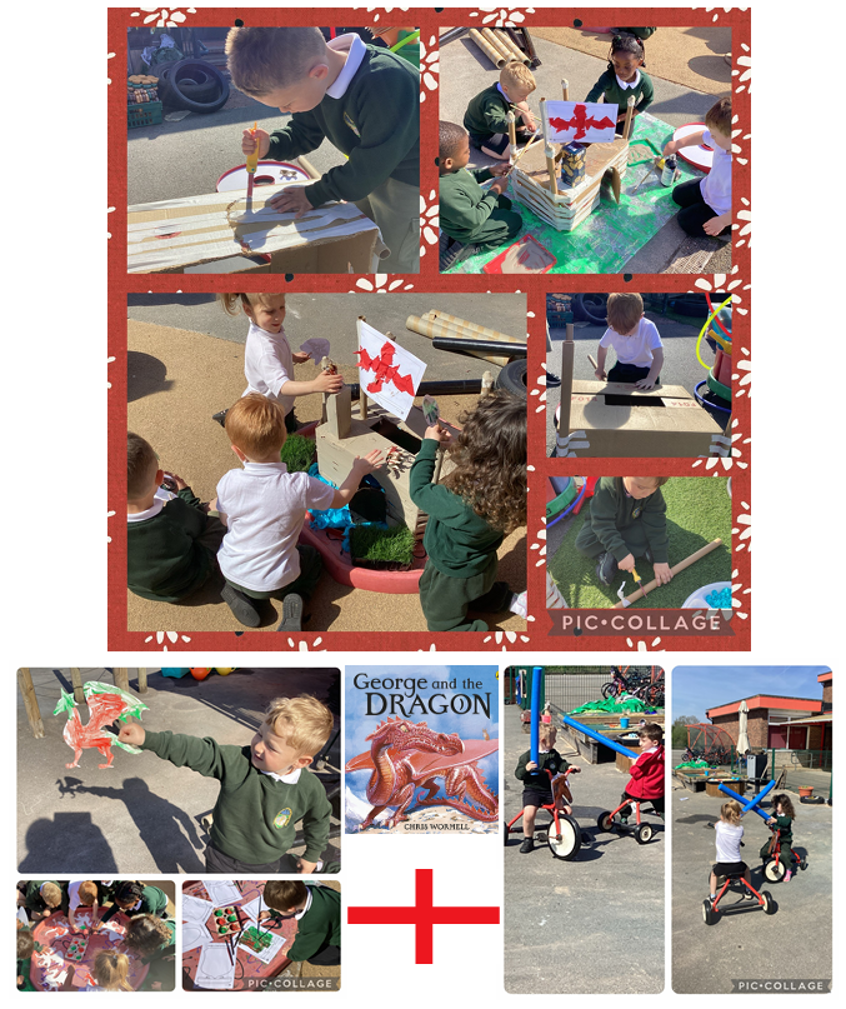
FS2 celebrated St George’s day by making castles from junk modelling using our special cardboard tools. They made an English flag for our castle and then used it to tell the story of St George. They made shields and dragons and enjoyed a jousting contest.
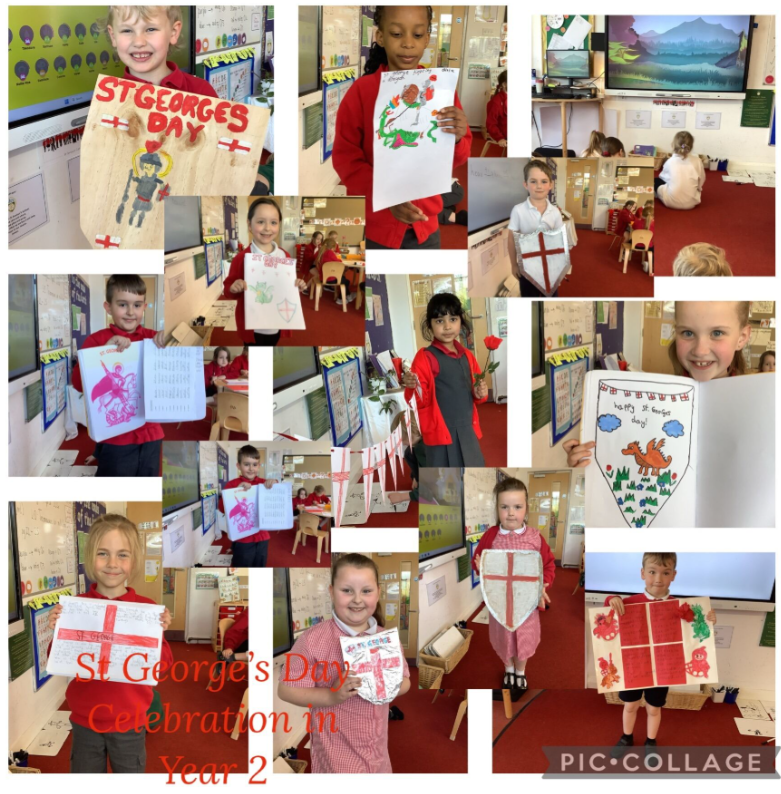
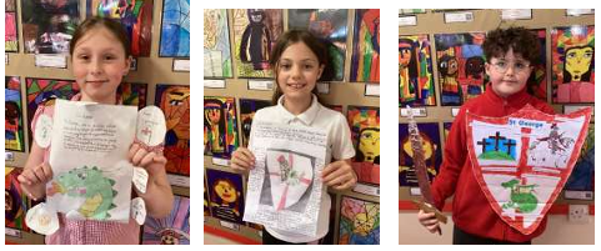
Year 2 Celebrated St Georges Day by sharing all of the children's fantastic homework efforts
and the facts they have found out from their task. They then explored the story of St George
and designed our own fantastic dragon and explained how it would help our country again.
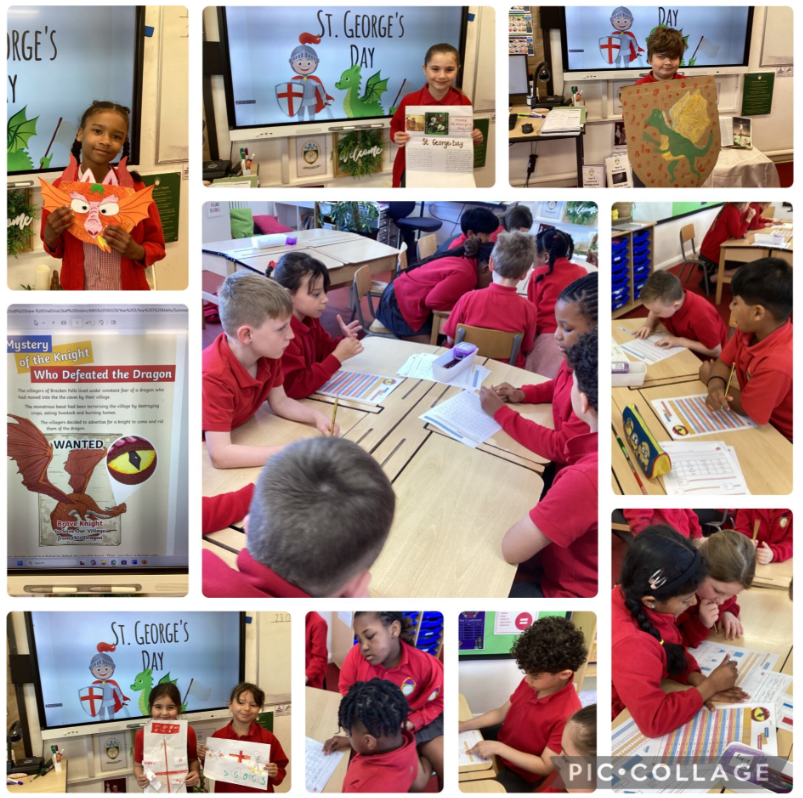
As part of St George's Day, Year 3 took part in 'The Mystery of the Knight Who Defeated
the Dragon' maths challenge where they used their problem‑solving and calculation skills.
The children showed great focus, teamwork, and determination when completing the tasks.
Year 4 enjoyed their homework task and produced some creative pieces of work to share with the class!
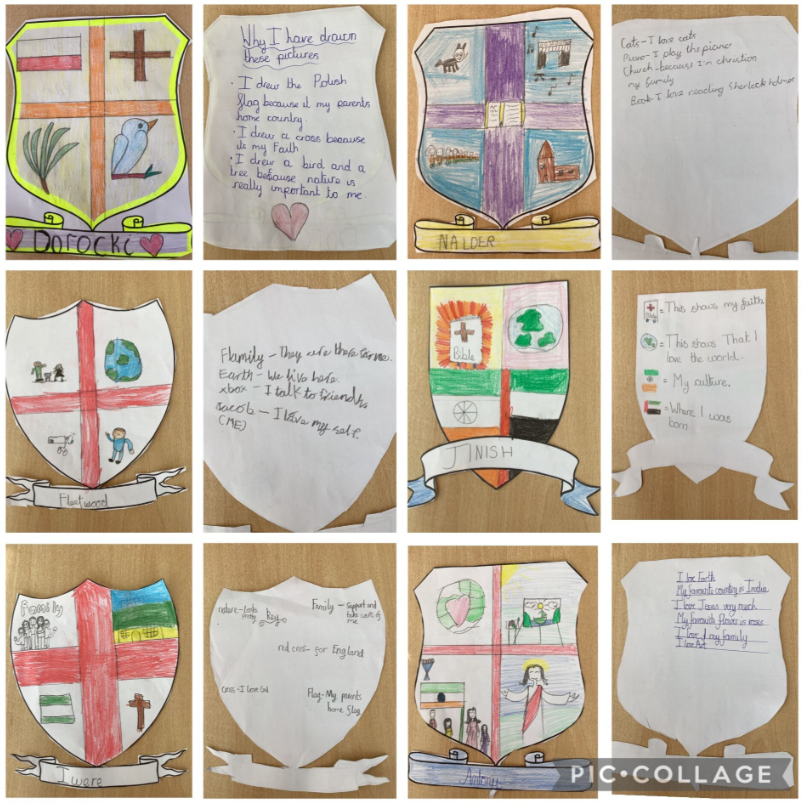
In Year 5 the children made coats of arms which represent what is important to us. Many children
chose to include the St George's flag still as they are proud of the values he represents, but we
also had several children celebrate their international heritage as well through their art.
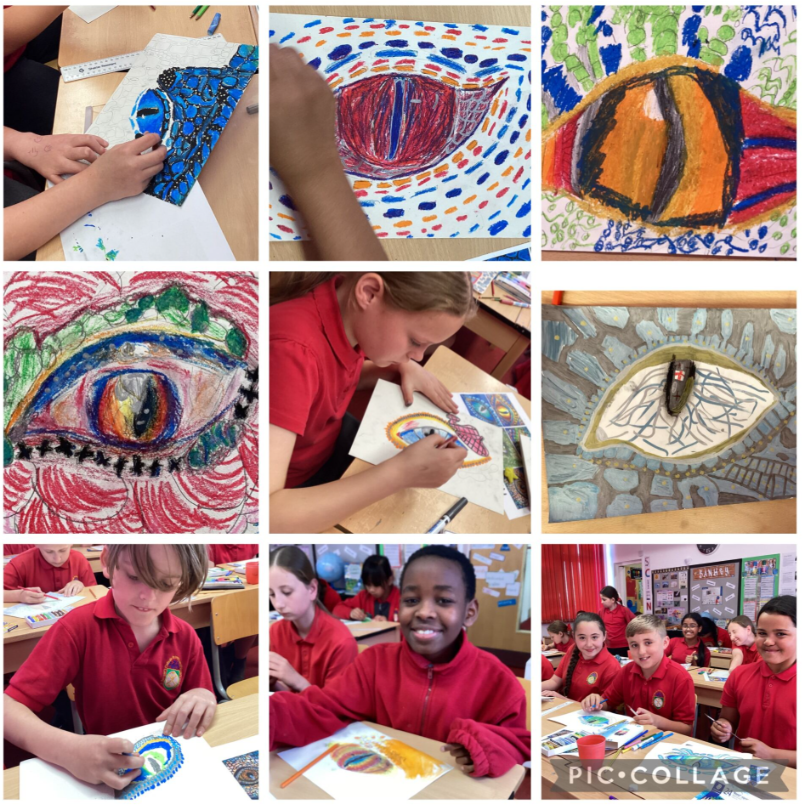
Year 6 celebrated St George’s Day by learning about the life of St George and why he is remembered as a symbol of courage, faith and standing up for what is right. They reflected on
how his example links to our Catholic life by showing bravery, helping others and trusting in
God. Inspired by the legend of St George and the Dragon, the children then created striking
dragon’s eye artworks using bright colours to showcase their creativity and imagination.
Spring Term 2026
Year 4 had a fantastic time at 'Park in the Past' learning all about the life of Roman soldiers. They learnt about the fortress and how to keep safe, how the Romans used the toilet, what the bedrooms might have been like, their armour, how to throw a spear and how to create different shield formations. They had a fabulous time and learnt so much. Their favourite parts were throwing spears and the Roman toilets!
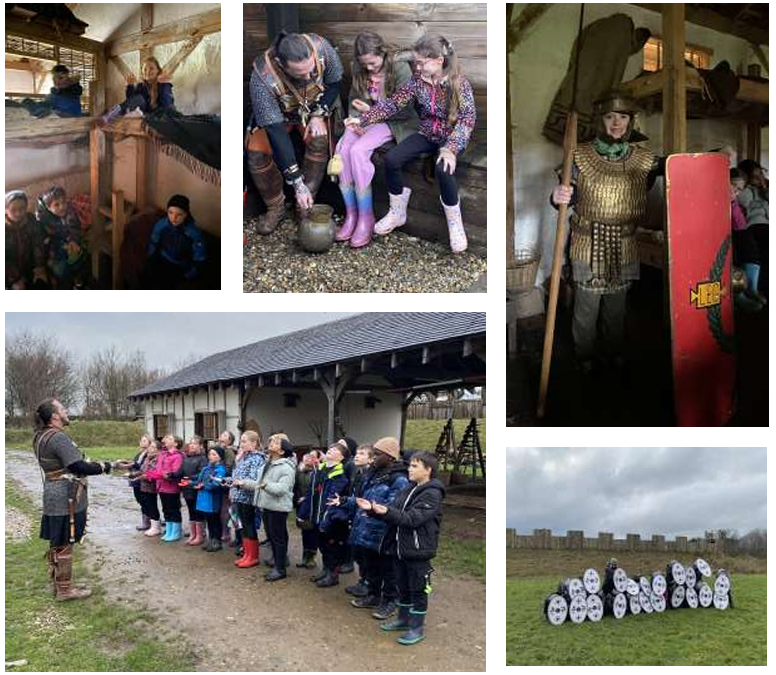
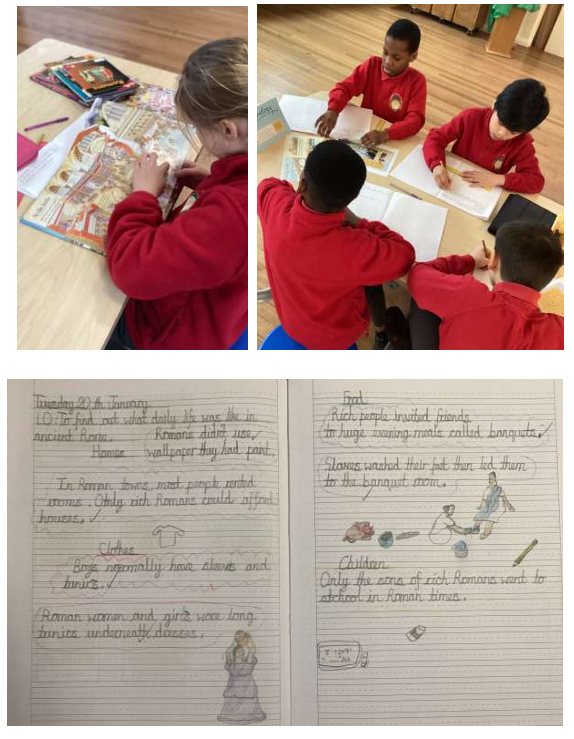
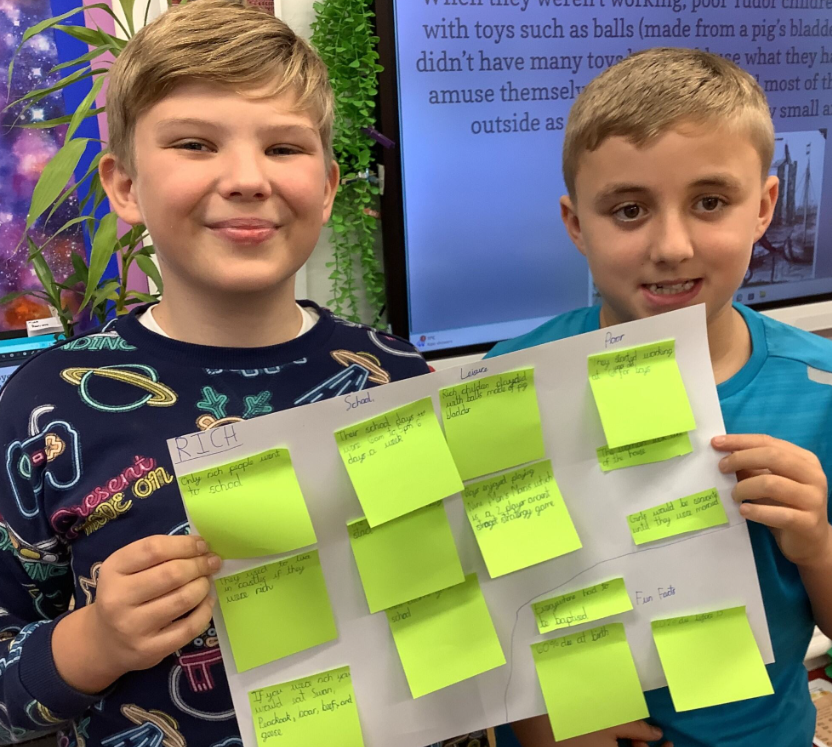
Year 4 have enjoyed researching what daily life was like for a Roman. They used books, fact sheets and the internet to find out about food, farming, technology, clothes and entertainment. They found out that life as a rich Roman was very different to a poor Roman!
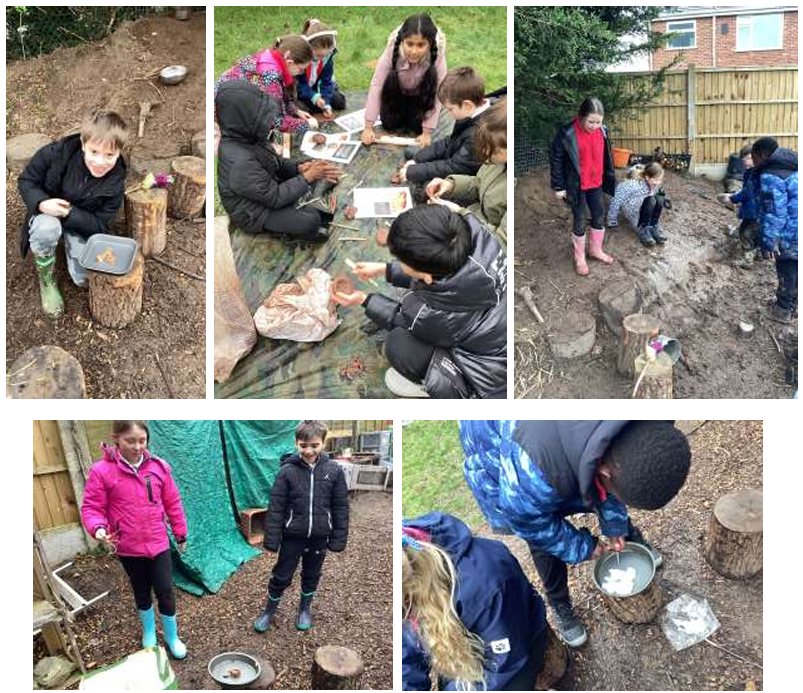
Year 4 also linked their history topic to a Forest School session. They made their own Roman clay pots and coins, whittled sticks and used flint and steel to start bush fires. They also made mud pies, mud slides and mud lattes!
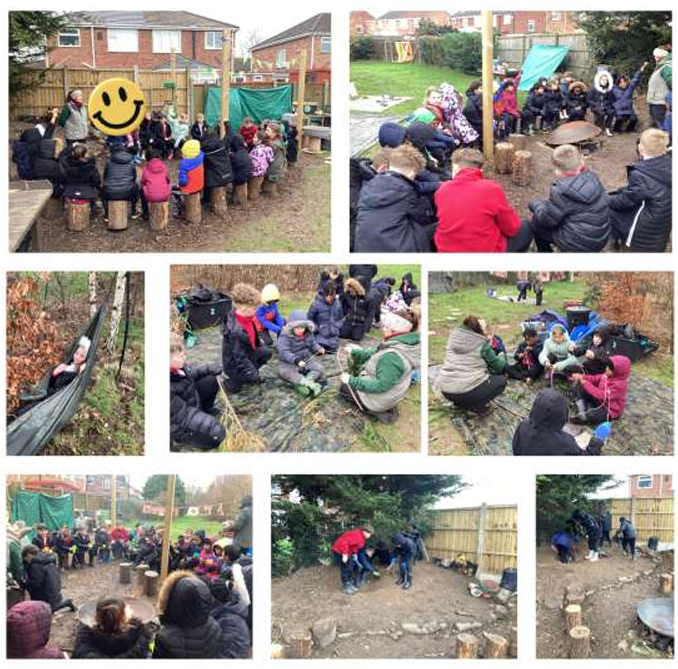
Year 3 threw themselves into a brilliant Forest School session linked to their Prehistoric Britain learning. The children experimented with natural materials—berries, mud and leaves —to create their own Stone Age–style cave paintings, just as early humans would have done. They also crafted simple tools, including bows and arrows, practising different knots and discussing how people in the Palaeolithic, Mesolithic and Neolithic periods hunted for food. The session ended with plenty of time to test their arrows and enjoy creative free play, making the forest come alive with Stone Age imagination and curiosity.
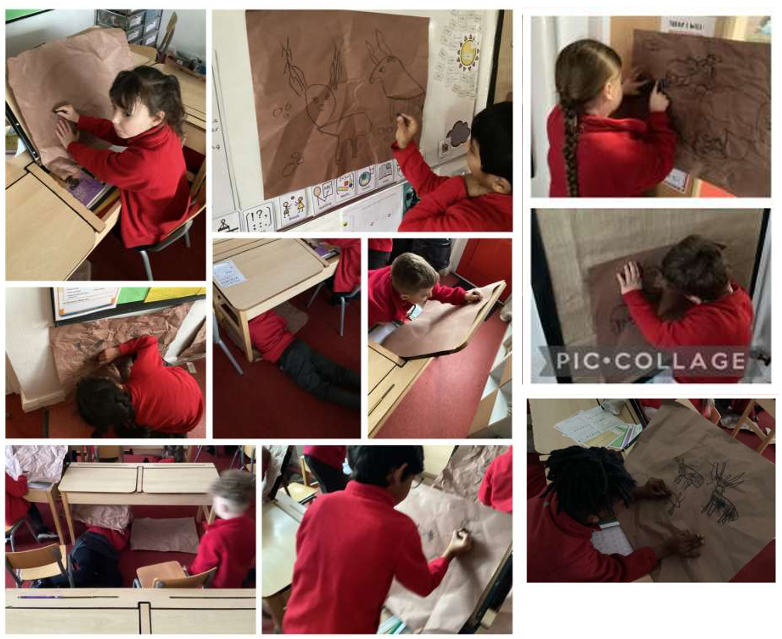
Year 3 enjoyed experiencing life in the Stone Age by creating cave drawings. The children were encouraged to put their paper on different surfaces and at different positions to represent what it might be like to draw on a cave wall. It was great fun and the children loved getting into character as a Stone Age child.
Year 2 had a fantastic time at Weaver Hall. The children learnt lots of new information about life in 1666, Samuel Pepys and the Great Fire of London with the help of a lovely maid called Peggy. Our children were also given the opportunity to train as servants, maids, market sellers, watchmen and women, and even a plague doctor!
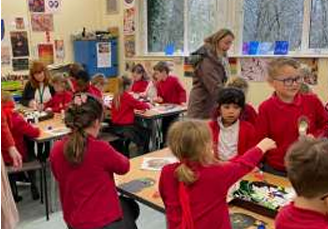
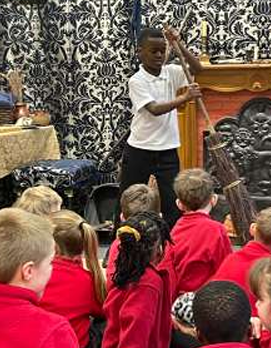
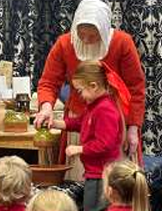
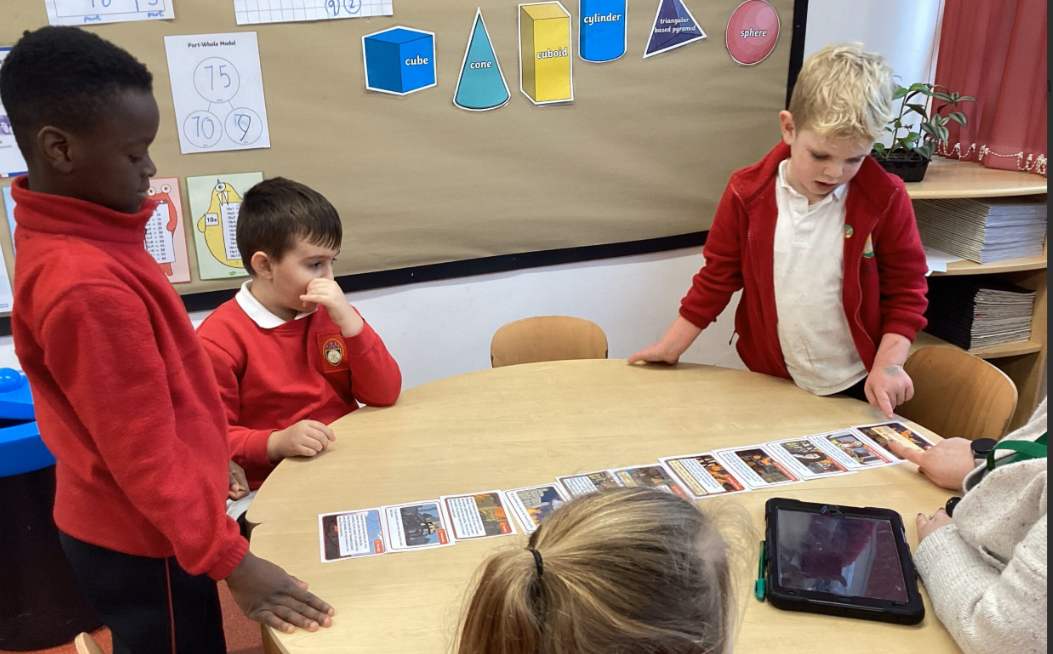
Year 2 have been sequencing events leading up to the Great Fire of London.

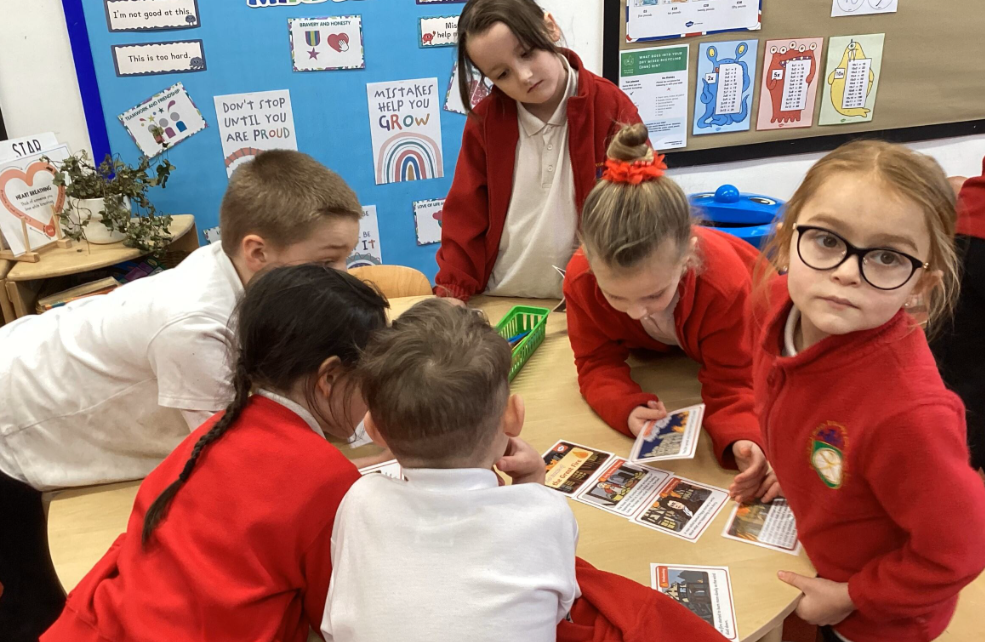
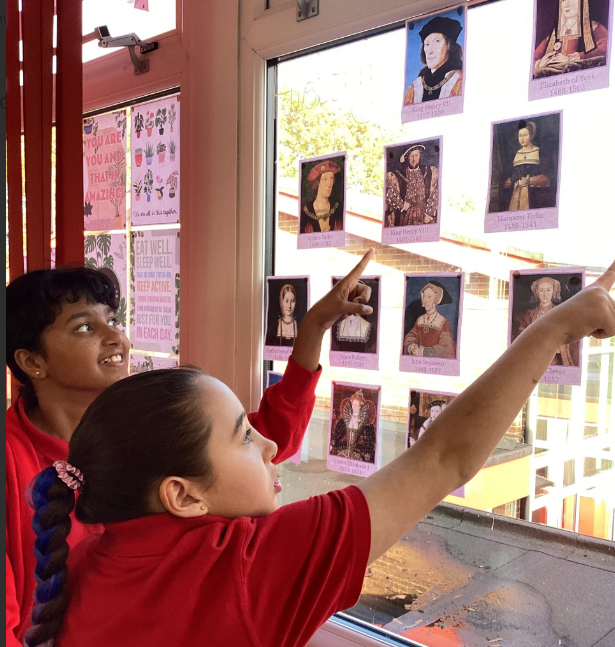
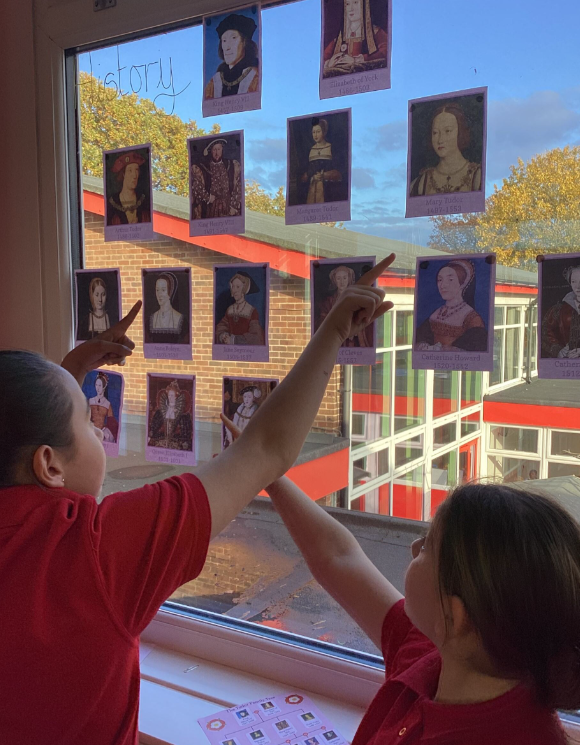
Year 6 enjoyed learning about The Tudors, starting off with exploring Henry VIII and his six wives.
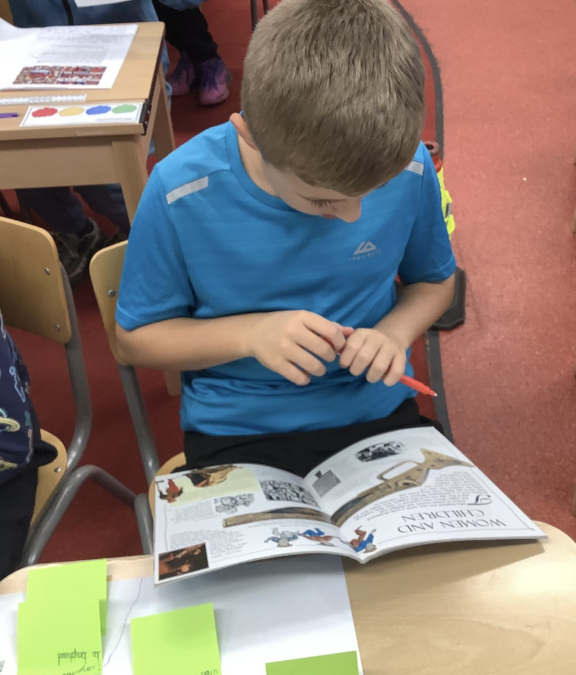
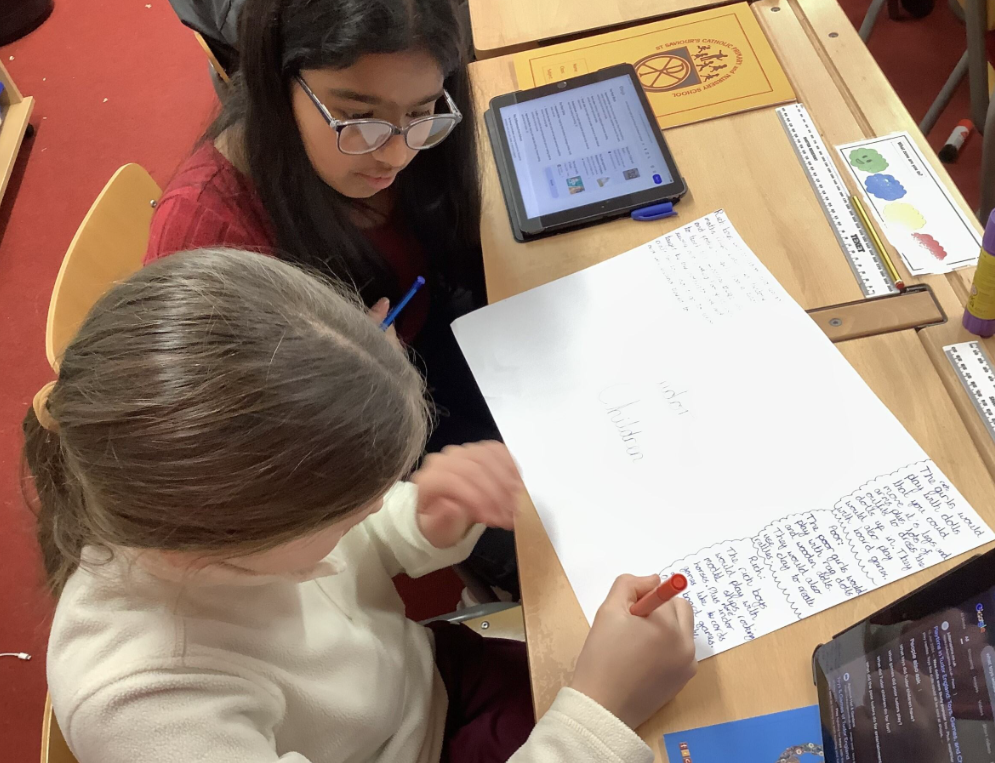
Year 6 enjoyed independent research into the life of Tudor children.
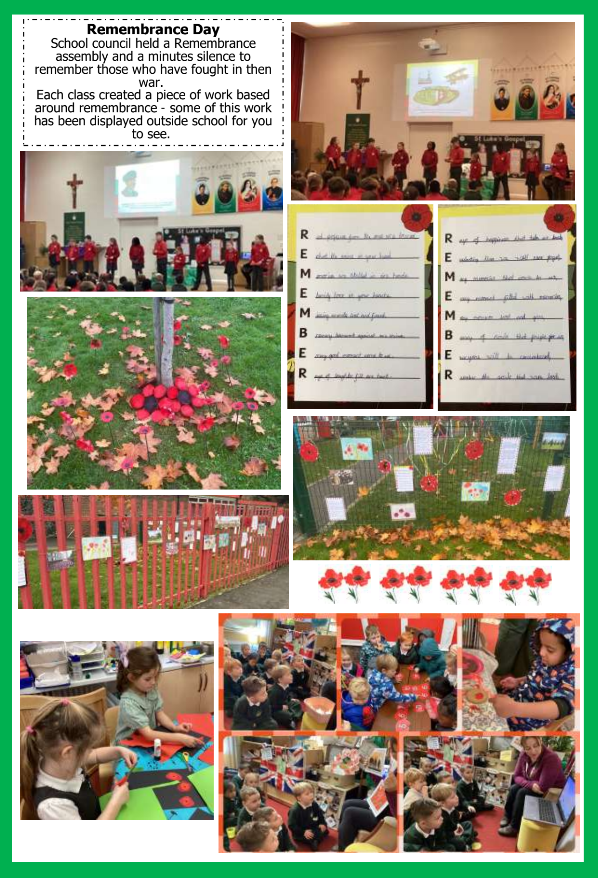
On Remembrance Day we remember those who fought in the wars. We wrote poems and made art to honour their bravery and keep their stories alive.
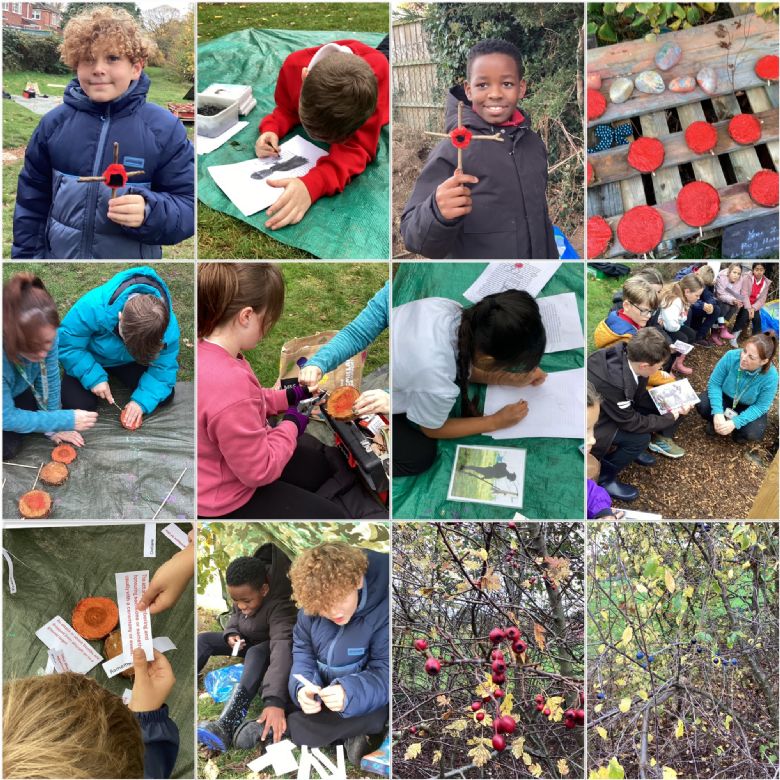
Year 6 enjoyed a thoughtful Forest School session centred on Remembrance Day, using natural materials to create meaningful artwork and reflect on the soldiers who served.
We held an ‘International Evening’ celebration on Thursday 16th October 2025.
What a wonderful evening! We celebrated our diversity and shared our cultures with others. We enjoyed preparing and sharing delicious food from around the world and learning about other ways of life and traditions.

We celebrated Black History Month during October. Each class has a key figure to explore and learn more about their achievements.
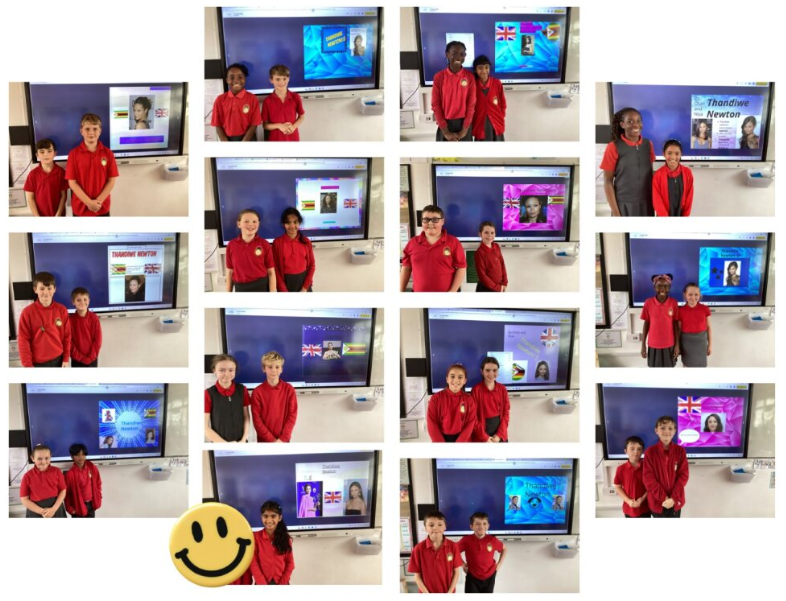
Year 5 enjoyed creating digital books to celebrate the achievements and contributions of Thandiwe Newton. We were deeply inspired by Thandiwe Newton's quote about her name, "That's my name. It's always been my name. I'm taking back what's mine".
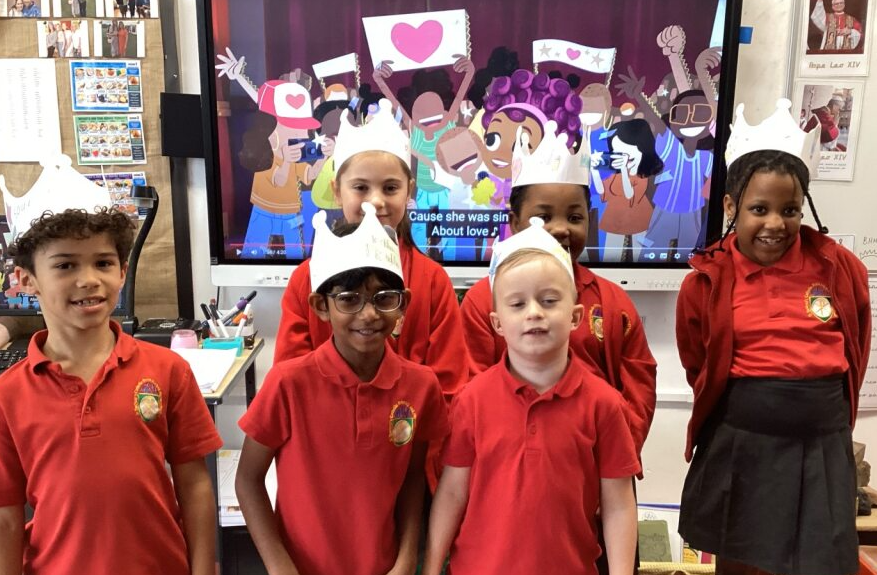
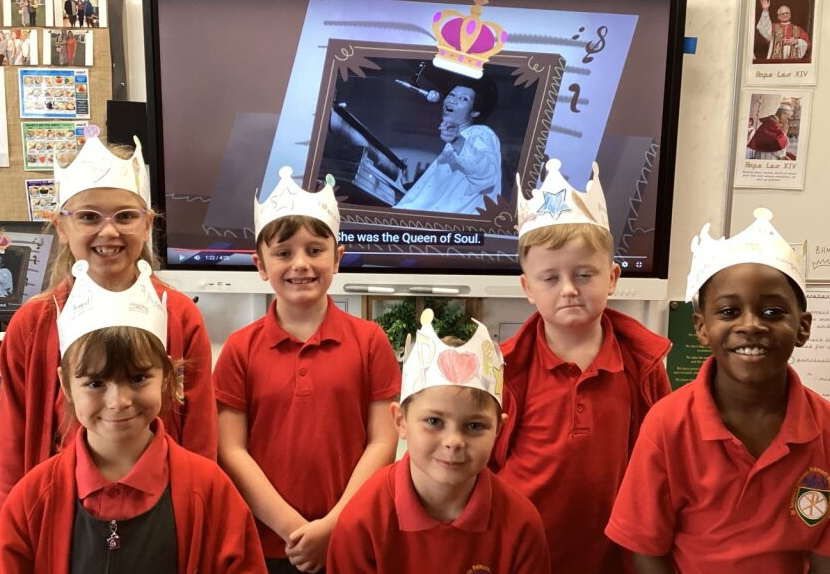
Year 3 created their own crowns when learning about Aretha Franklin, the Queen of Soul. They enjoyed listening to some of her most popular songs and singing along too!
Year 1 created artwork inspired by Faith Ringold.
Yr 5 – Ancient Greece
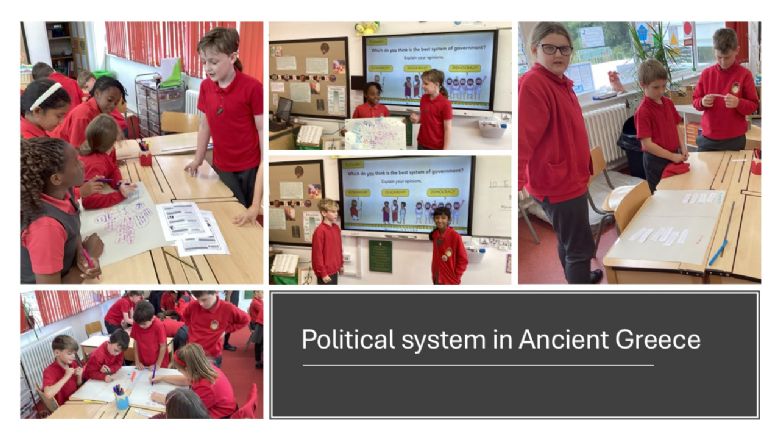
Year 5 have been exploring how the political system worked in Ancient Greece and comparing it with a range of modern political systems. They rounded off their learning with a lively debate to share and challenge ideas.
Yr 4 – The Aztecs
Year 4 enjoyed their Aztec lesson, which investigated how Aztec society was organised.

Yr 3 - Ancient Egypt
Year 3 worked brilliantly in their groups, sharing everything they’ve learned about life in Ancient Egypt. They discussed food, homes, jobs, and clothing, building a rich picture of how people lived by pooling their ideas and knowledge together.

Yr 1 Grosvenor Museum, Chester
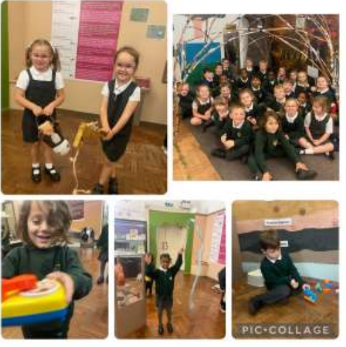
Year 1 had an amazing day learning all about toys at the Grosvenor Museum. They had a lot of fun exploring old toys, the hobbyhorses were a big hit! Then they made their very own kaleidoscope with beautiful patterns.

Y3 World Museum, Liverpool
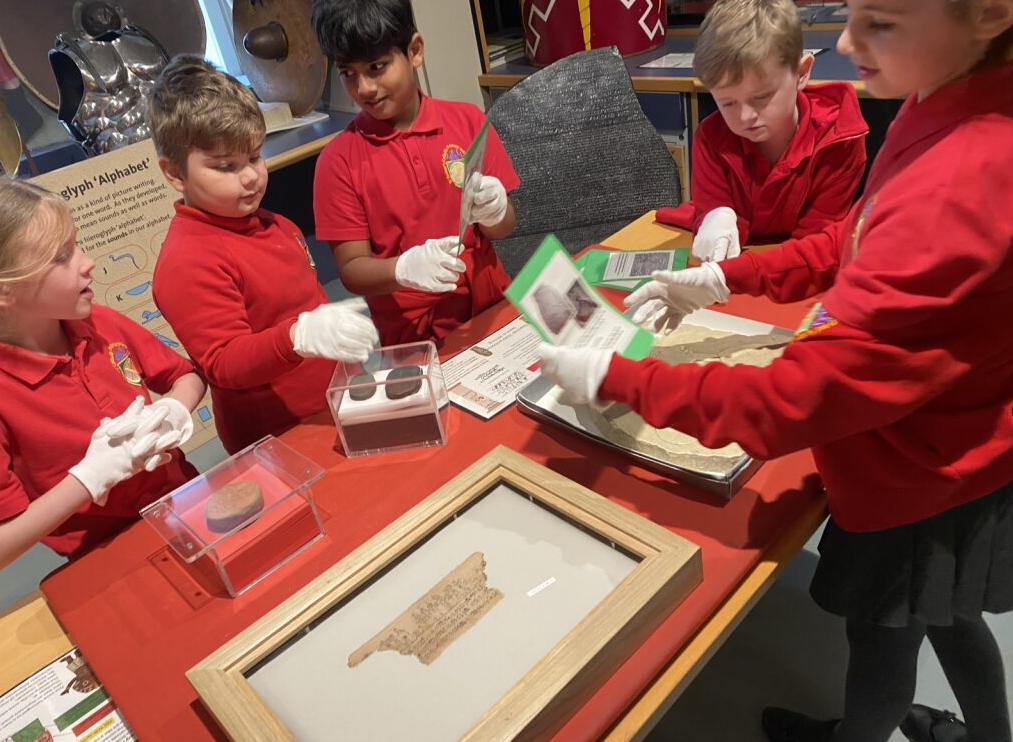
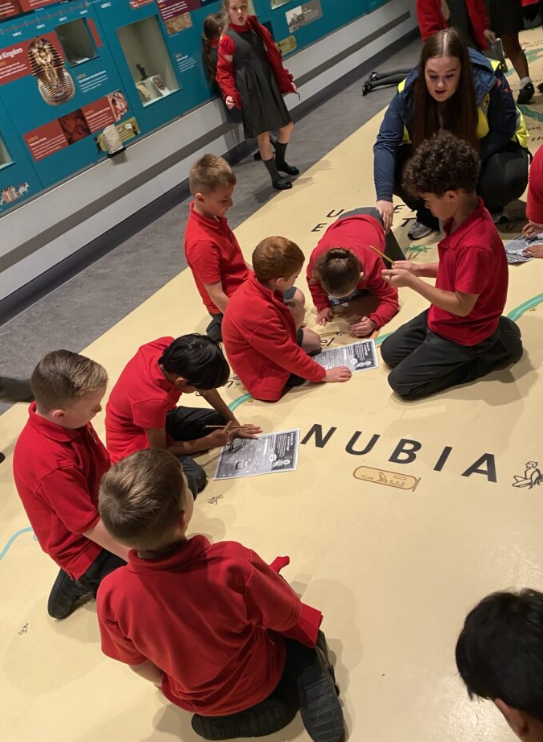
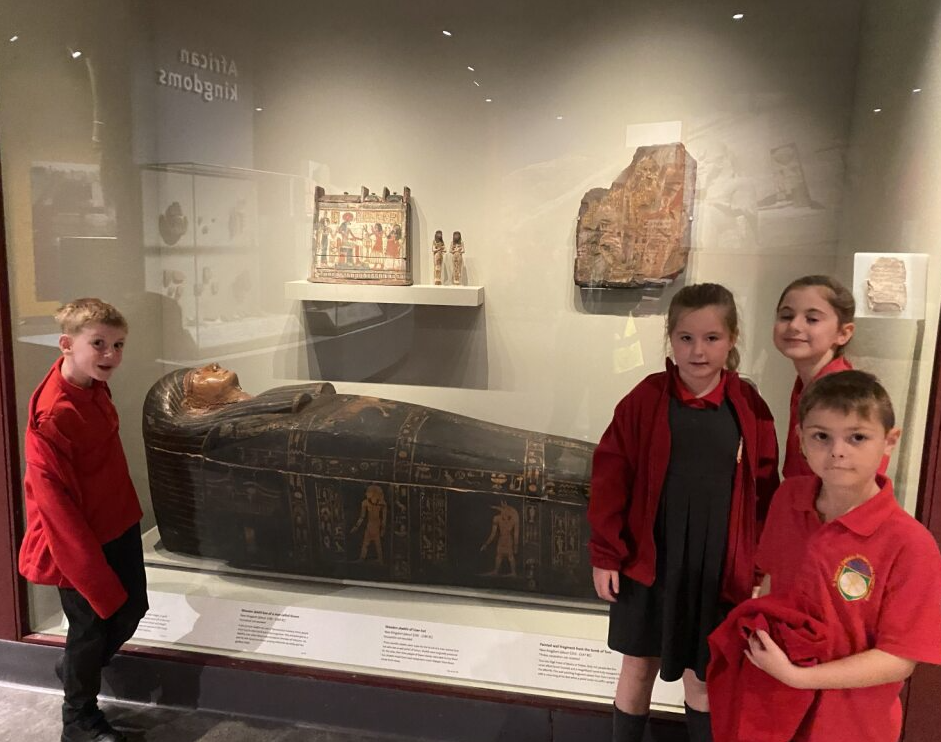
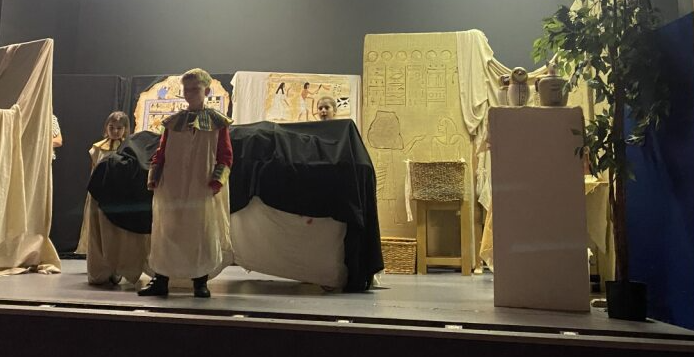
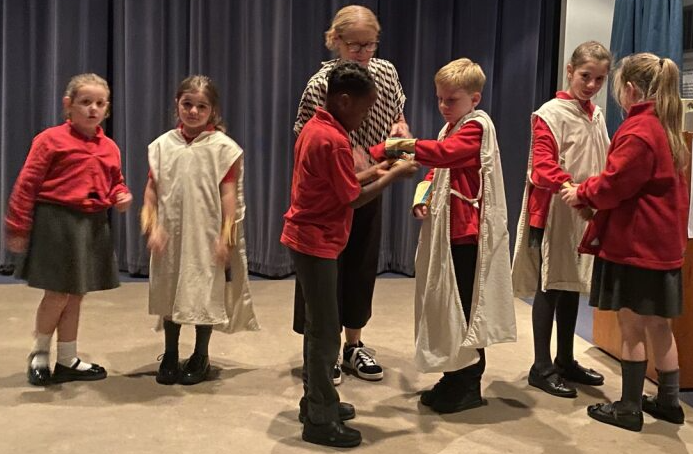
Year 3 had a great time at the World Museum learning all about Ancient Egypt and mummification. They explored a wide range of ancient artefacts and loved dressing as the high priest and preparing a body ready for the afterlife.

Understanding the World EYFS
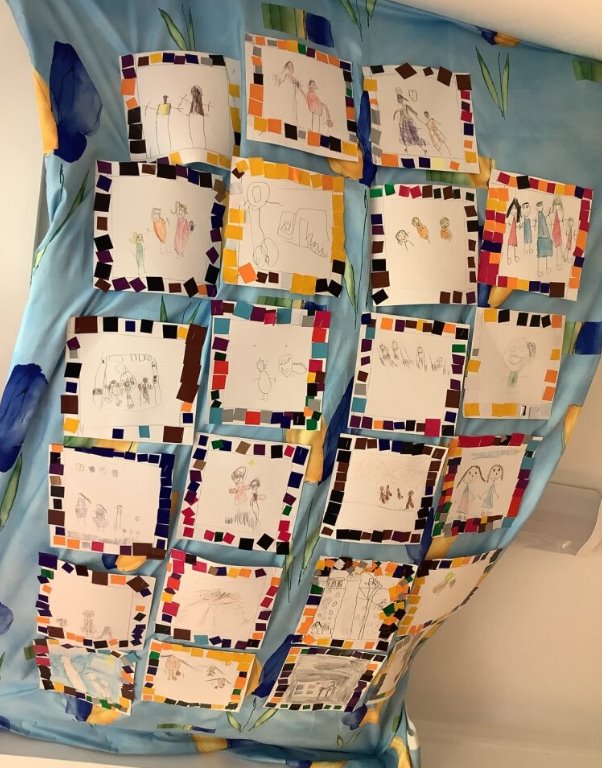
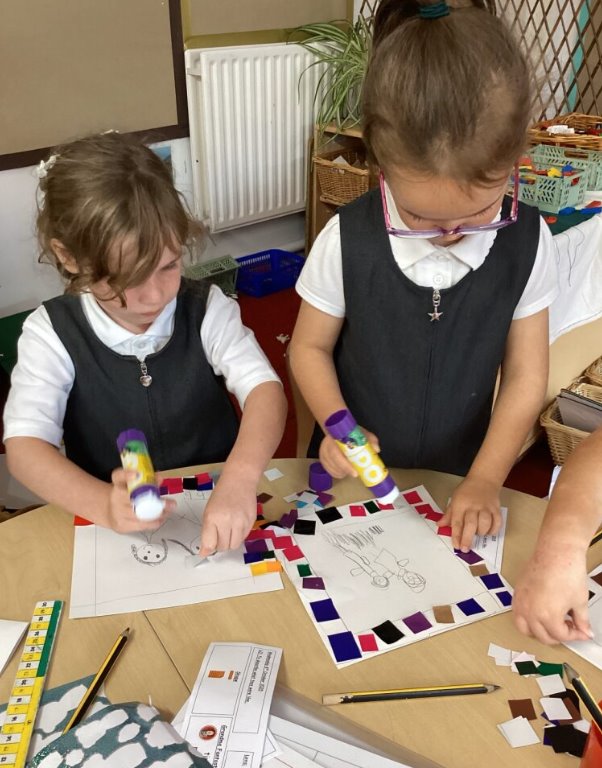
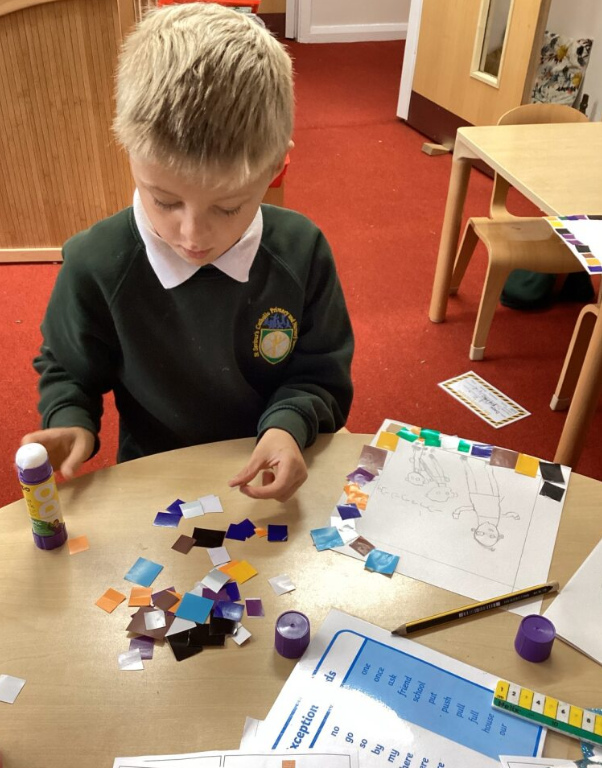
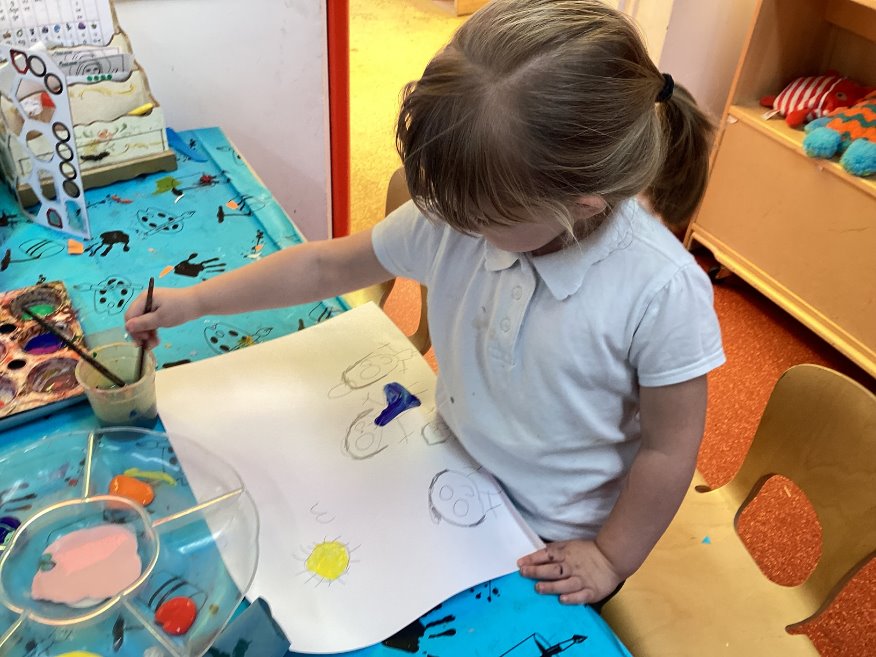
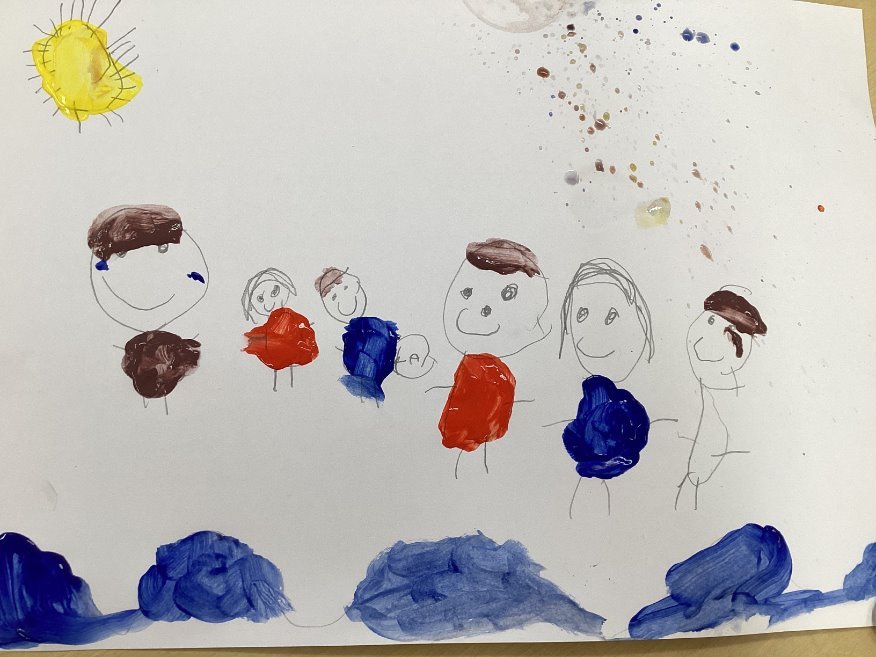
In FS2, children painted pictures of their family members and talked to the grown-ups about who are in their family. Children brought photographs of their family to add to the class display all about families.
Autumn Term 2025